


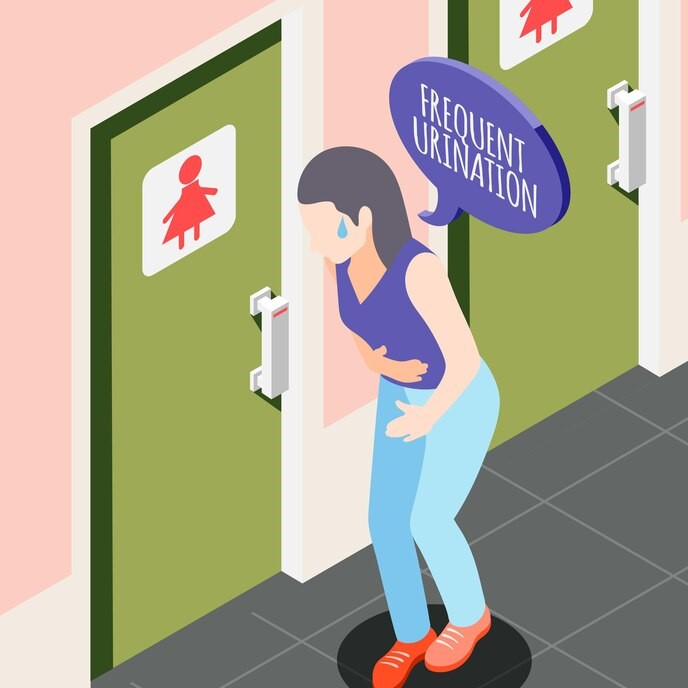
Urinary Incontinence: Effective Methods of Prevention and Treatment
Urinary incontinence is a complex condition that affects the quality of life for millions of people. This issue impacts patients of all ages, particularly women, who are more prone to weakened pelvic floor muscles. The causes vary, ranging from age-related and hormonal changes to the aftermath of pregnancy, childbirth, or pelvic surgeries.
Modern technologies offer an effective solution — Magic Chair, a device designed to strengthen the bladder, pelvic floor muscles, and bladder walls without surgical intervention. This method allows patients to regain control over urination and improve their overall health. For medical professionals in urology, gynecology, or rehabilitation, integrating innovative approaches such as the Magic Chair into their practice is essential for treating and preventing urinary incontinence in women.
Causes and Consequences of Urinary Incontinence
Weakened pelvic floor muscles are the primary cause of urinary incontinence. Factors contributing to this condition include:
- Weakened pelvic floor muscles due to aging or stress.
- Hormonal changes in women during pregnancy and menopause.
- Surgical interventions, including pelvic surgeries.
- Age-related decline in muscle tone.
- Excess body weight, which increases pressure on pelvic organs.
- Urinary tract infections that further weaken muscle function.
The consequences of urinary incontinence go beyond physical discomfort. Reduced quality of life often leads to social isolation and anxiety. Persistent dampness and skin irritation increase the risk of infections, while psychological stress lowers self-confidence. For healthcare providers, addressing both symptoms and prevention is vital, particularly for female patients.
Methods of Preventing Urinary Incontinence
Healthcare professionals recommend a comprehensive approach to preventing and treating urinary incontinence. One of the primary methods is regular physical activity, which helps to strengthen the muscles and walls of the bladder. Kegel exercises, focusing on gradual contraction and relaxation of the muscles, are considered the most effective in reinforcing pelvic structures and restoring urinary control.
Weight management is equally important, as excess body weight creates additional pressure on pelvic organs, exacerbating symptoms of incontinence. Reducing weight relieves this pressure and improves muscle health.
Regular check-ups with specialists are crucial for identifying weakened muscles at an early stage. Early detection enables timely intervention and prevents the development of serious complications.
Modern technologies, such as the Magic Chair, provide an innovative approach to strengthening bladder muscles. This device offers a non-invasive and effective solution for patients, making it an indispensable tool in medical practices.
Magic Chair: An Innovative Solution for Strengthening Pelvic Floor Muscles
The Magic Chair is a professional device designed for use in medical clinics, rehabilitation centers, and cosmetic practices. It employs high-intensity magnetic stimulation technology to effectively strengthen pelvic floor muscles and bladder walls.
The Magic Chair generates magnetic impulses that cause the pelvic floor muscles to contract. This helps strengthen the bladder, restore muscle tone after childbirth or surgeries, and improve patients’ overall health.
The device offers several key advantages. It is non-invasive, making the procedure safe for patients and eliminating the need for surgical intervention. Results are noticeable after just a few sessions, and the versatility of the Magic Chair allows it to be used for patients of different ages and varying degrees of severity.
Effectiveness of Magic Chair
Clinical studies demonstrate the high effectiveness of the Magic Chair:
- 95% of patients experience significant strengthening of pelvic floor muscles.
- Improved urinary control is observed after 6–10 sessions.
- The procedure is comfortable and takes 28 minutes.
Feedback from medical professionals confirms that the Magic Chair effectively strengthens bladder walls and muscles without additional strain on patients.
Conclusion
Urinary incontinence is a challenge for healthcare providers that demands an innovative approach. The Magic Chair creates new opportunities for preventing urinary incontinence in women and treating the condition by strengthening bladder muscles and pelvic floor structures.
For medical centers and cosmetic clinics, this device is not just a solution but a competitive advantage that attracts more patients. Using such advanced equipment enhances the quality of medical services, strengthens the clinic’s reputation, and increases client loyalty. If you want to expand your clinic’s offerings and provide an effective solution for strengthening bladder walls, the Magic Chair is your best choice.